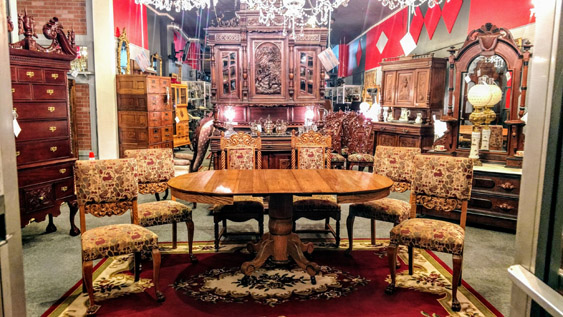
What Makes an Object “Antique”?
The definition varies by region and collector, but generally, an antique is an item over 100 years old. This includes furniture, artwork, tableware, textiles, clocks, maps, tools, and even everyday objects that survived long after their original purpose faded. What distinguishes an antique from a simple old item is not only age but value—whether cultural, artistic, or emotional.
Antiques tend to be handmade, crafted with durable materials and techniques that reflect the aesthetics and social values of their eras. They embody the skills of artisans who spent years perfecting joinery, engraving, weaving, or carving. Today, when mass-production is the norm, the attention to detail in antiques creates a unique appeal.
The Emotional Value Behind Antiques
While many buyers focus on materials or rarity, the emotional dimension is just as important. Antiques carry stories—even if those stories are partly imagined. A writing desk may have supported thousands of letters. A ceramic jug might have traveled across regions and generations. A mirror may have reflected countless faces and moments.
This emotional resonance is why people often keep heirlooms. Even if a piece is not financially valuable, its sentimental worth—linked to childhood memories, family traditions, or inherited identity—makes it priceless. In an age where digital content disappears with a single click, antiques offer physical permanence.
Antiques as Sustainable Design
One of the strongest arguments for antique collecting today is sustainability. Every antique purchased is a piece that doesn’t need to be manufactured again. No new wood must be harvested, no additional metal must be mined, and no new chemicals must be produced. Antiques are the ultimate example of reuse—objects built once, used indefinitely.
This environmental benefit aligns perfectly with modern conscious design. Many interior designers now incorporate antiques not only to add character but to reduce environmental footprint. An antique table paired with contemporary chairs, or a vintage cabinet combined with a minimalist room, supports a circular design economy.
Craftsmanship: Why Old Furniture Lasts
When comparing antique furniture to many contemporary products, one thing becomes clear: older pieces often last longer. This is due to several factors:
1. **Solid materials** – Antique furniture was typically made from hardwoods like oak, walnut, and mahogany. The wood matured and stabilized over decades, making pieces exceptionally durable.
2. **Hand-cut joinery** – Before mass-production, joints were crafted by artisans. Mortise-and-tenon, dovetail, and tongue-and-groove joints allowed furniture to endure stress without relying heavily on metal fasteners. Ancient builders applied techniques like anathyrosis, a precision method used to fit massive stone blocks so tightly that no mortar was needed.
3. **Repairability** – Antique pieces were built with repair in mind. Parts can be replaced or restored without compromising their structure.
4. **Patina, not damage** – Wear on antiques often adds charm. Small dents or scratches can soften edges and enrich surfaces, giving the object a unique look.
This stands in contrast with many modern items made of composite boards, veneers with thin wear layers, or adhesives that degrade over time. Antiques were made to last generations—and often already have.
Types of Antiques Worth Noticing
Although the antique world is enormous, several categories remain particularly relevant to today’s homeowners and collectors.
1.Furniture
From Georgian chests of drawers to mid-century modern chairs, antique furniture remains the backbone of many interiors. Pieces with simple forms—like farmhouse tables or Scandinavian cabinets—blend especially well with modern spaces.
2. Decorative Arts
Mirrors, candelabras, vases, ceramics, sculptures, and ornate frames add touches of historical elegance. Decorative objects work well even in minimalistic rooms, functioning almost like artwork.
3.Textiles
Handwoven rugs, embroidered tapestries, and vintage linens provide warmth and softness. They also introduce traditional craftsmanship that contrasts beautifully with clean-lined interiors.
4. Clocks and Mechanisms
Antique wall clocks, mantel clocks, pocket watches, and mechanical instruments appeal to those who appreciate engineering. They often still work if maintained properly.
5. Prints, Maps, and Books
Old engravings, maps, botanical prints, and vintage books bring depth to libraries and offices. They often reflect scientific, political, or cultural moments from centuries past.
The Rise of “Modern Mix” Interiors
A major trend in 2024–2025 is the “modern mix” style: interiors that blend contemporary materials with curated antiques. Designers might pair a streamlined kitchen or plywood shelving unit with a rustic 19th-century cabinet. A modern living room might feature a sleek sofa alongside an antique marble-topped table.
This contrast is powerful because it makes both elements shine. The antique stands out as a unique work of art, while the modern pieces feel fresh and intentional.
How to Start Collecting Antiques
You don’t need a large budget to begin collecting. What matters most is curiosity and attention to detail. Here are some practical tips:
1. Start with one category
Pick something that truly interests you—chairs, lamps, ceramics, or even small metal objects. Collecting within a category builds knowledge and confidence.
2. Learn basic identification
Look for signs of age:
* Hand-cut dovetails
* Oxidized brass or bronze
* Slight irregularities from hand tools
* Old nails or wooden pegs
* Signs of natural wear (not artificial distressing)
3. Visit markets and shops
Antique fairs, flea markets, estate sales, and second-hand shops are full of discoveries. Even if you don’t buy anything, observing items in person teaches a lot.
4. Check authenticity
Not all “antique-style” pieces are truly antique. When in doubt, ask sellers about provenance, materials, and restoration history.
Why Antiques Will Never Lose Relevance
In a fast-changing world, antiques provide anchor points—objects that remind us of craftsmanship, slow production, and human stories. They bring authenticity into interiors filled with new materials and technologies. When paired with modern finishes like engineered boards, contemporary lighting, or oak veneered mdf cabinetry, antiques enrich spaces with timeless beauty.
As long as people value history and individuality, antiques will continue to inspire. They are not just objects from the past but companions that bring meaning into the present.