They are enjoyable, but also crowded, expensive, and increasingly predictable. For groups planning a memorable weekend away, especially when the aim is to do something different, this creates a real dilemma.
How do you find a place that feels fresh, offers great value, and still delivers memorable experiences without feeling like everyone else had the same idea? This is where emerging cities are quietly reshaping how weekend breaks are planned. They offer a different pace, a stronger sense of discovery, and a more authentic connection to local culture, all while being easier on the budget and often less saturated with tourists.
Why traditional city breaks are losing their edge
Popular European cities built their reputations over decades, sometimes centuries. The downside of that success is pressure. Accommodation prices rise faster than wages. Restaurants become geared toward visitors rather than locals. Attractions turn into queues. What once felt exciting can start to feel transactional.
For weekend travellers from the UK, the problem is amplified by time. A short break needs to deliver quickly. Spending half the trip navigating crowds or overpaying for basics eats into the experience. This is especially noticeable for group travel, where coordinating budgets, preferences, and expectations is already a challenge.
Emerging cities offer a compelling alternative. They are not unknown, but they are not overexposed either. They tend to have growing cultural scenes, improving infrastructure, and a hospitality sector keen to impress. That combination creates better value and more flexibility. Meals are less rushed. Venues are more welcoming. Locals are often curious rather than fatigued by tourism.
Another factor is authenticity. Travellers are increasingly interested in places that feel lived in, not curated for Instagram. Street markets, independent bars, neighbourhood cafés, and everyday rituals add texture to a weekend away. Emerging cities still allow room for that kind of experience.
What makes emerging cities perfect for group travel
Group trips magnify both the good and the bad of any destination. When things work, they create shared memories that last for years. When they do not, frustration spreads quickly. Choosing the right city is therefore crucial.
Emerging cities tend to be more adaptable to groups. Accommodation options are often more spacious and affordable, making it easier to stay together rather than splitting across multiple hotels. Activities are less rigid, allowing plans to evolve naturally rather than being locked into tight schedules.
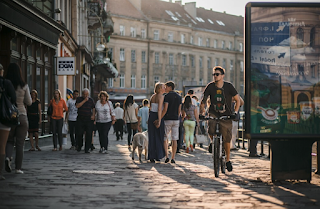
Another advantage is variety within a compact area. Many up and coming cities have walkable centres where history, nightlife, food, and green spaces coexist closely. This makes it easier to satisfy different interests without long journeys across the city. One part of the group can explore cultural sights while others relax in a café, then regroup without stress.
There is also a social element that is harder to quantify but easy to feel. In places that are not overwhelmed by tourism, interactions feel more genuine. Staff have time to chat. Recommendations come from personal experience rather than a script. For groups celebrating milestones or simply reconnecting, this atmosphere matters.
A growing trend within this space is themed weekend travel. Instead of trying to see everything, groups focus on a specific purpose such as food, music, history, or celebration. In this context, destinations that offer flexibility and affordability have a clear advantage. A well planned Romanian stag do, for example, taps into this shift by combining vibrant nightlife, cultural depth, and strong value in cities that still feel undiscovered to many UK travellers.
How Romania fits the new weekend travel mindset
Romania has quietly become one of the most interesting examples of this emerging city movement. Cities like Bucharest, Cluj-Napoca, and Brasov are evolving rapidly while retaining a strong sense of identity. For UK travellers, they offer something that is increasingly rare in Europe: a feeling of surprise.
Bucharest, often called the Little Paris of the East, blends grand architecture with creative energy. One street might feature Belle Époque buildings, the next a converted warehouse filled with bars and live music. Prices remain reasonable, allowing visitors to enjoy the city without constantly checking their spending.
Cluj-Napoca has built a reputation as a youthful, cultural hub. Its universities fuel a lively atmosphere, and its café and music scenes feel organic rather than manufactured. For weekend travellers, this translates into energy without chaos.
Brasov, nestled near the Carpathian Mountains, offers a different angle. Medieval streets, scenic surroundings, and easy access to outdoor activities create balance. It suits groups who want more than nightlife, mixing social time with exploration.
What ties these cities together is momentum. They are investing in infrastructure, welcoming international visitors, and showcasing local culture with confidence. For UK audiences used to polished but crowded destinations, this feels refreshing.
Romania also benefits from being well-connected. Flight times from the UK are manageable, and once on the ground, getting around is straightforward. English is widely spoken in hospitality settings, reducing friction for short stays.
Most importantly, these cities support the idea that a weekend away does not need to follow a tired formula. They encourage curiosity. They reward spontaneity. They remind travellers that Europe still has corners that feel new.
A new definition of a great weekend away
The rise of emerging cities signals a broader shift in how people think about travel. The goal is no longer to tick off famous landmarks at speed. It is about quality over quantity, connection over consumption, and stories over selfies.
For UK travellers planning their next weekend break, this opens up exciting possibilities. Choosing a city that is still finding its international voice often leads to richer experiences and better value. It also supports local communities that are keen to share their culture on their own terms.
If the idea of stepping away from the usual routes feels appealing, it might be time to look beyond the obvious. Emerging cities are not about compromise. They are about rediscovering the joy of travel itself. The next memorable weekend might not be where everyone else is going. It might be somewhere that is just beginning to be noticed, ready to surprise those willing to take a different path.